Fulham has been here a lot longer than most of its current residents. Behind the modern shop fronts and new developments are buildings, pubs, and landmarks with centuries of history. Coaching inns that served travellers in the 1600s. Parks where royalty once walked. Pubs that Dickens might've actually drunk in, rather than just ones that claim he did. This is a guide to the historic side of the neighbourhood for anyone who likes their pint with a side of context.
Fulham has been here a lot longer than most of its current residents. Behind the modern shop fronts and new developments are buildings, pubs, and landmarks with centuries of history. Coaching inns that served travellers in the 1600s. Parks where royalty once walked. Pubs that Dickens might've actually drunk in, rather than just ones that claim he did. This is a guide to the historic side of the neighbourhood for anyone who likes their pint with a side of context.Read the noteHide the note
Fulham has been here a lot longer than most of its current residents. Behind the modern shop fronts and new developments are buildings, pubs, and landmarks with centuries of history. Coaching inns that served travellers in the 1600s. Parks where royalty once walked. Pubs that Dickens might've actually drunk in, rather than just ones that claim he did. This is a guide to the historic side of the neighbourhood for anyone who likes their pint with a side of context.
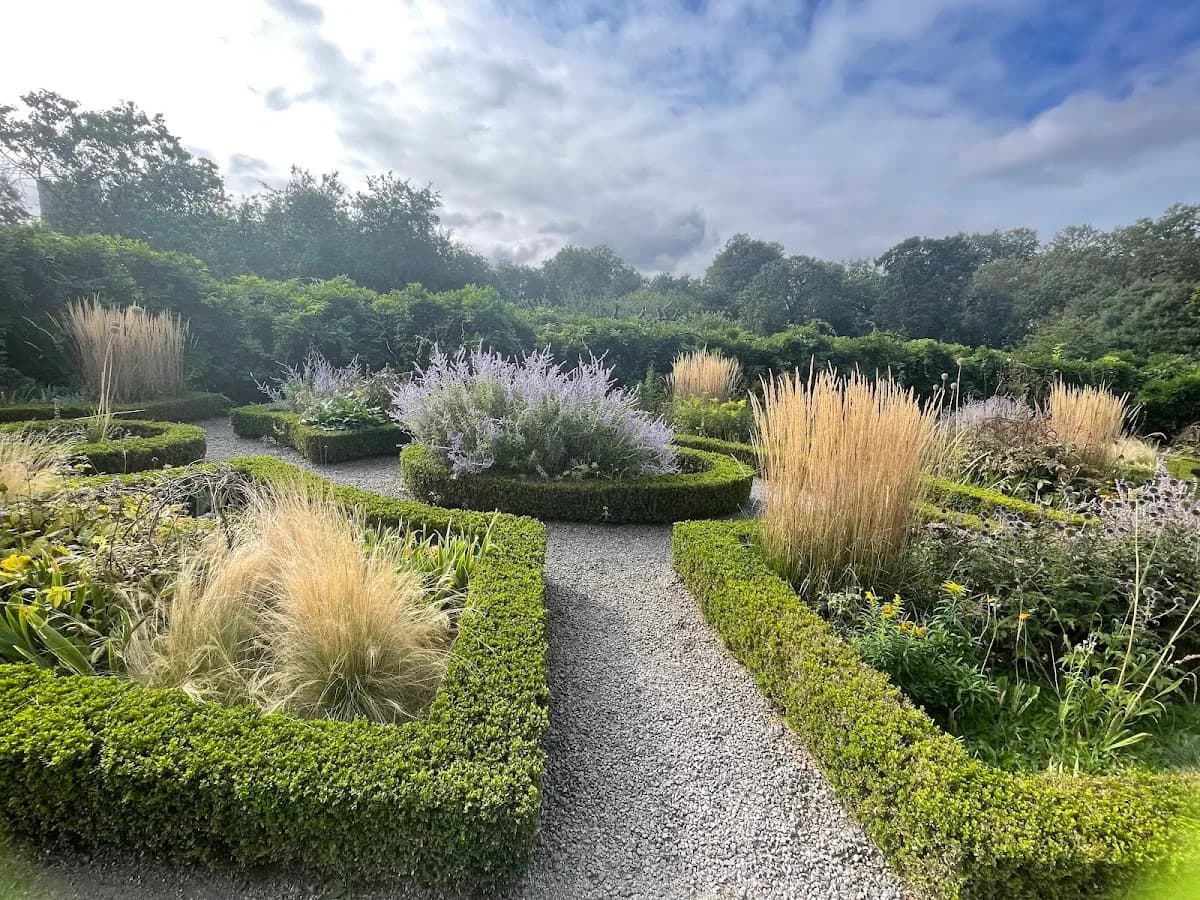
The local tip: The walled garden is magical. Visit in spring for the wisteria
Thirteen acres of historic grounds surrounding Fulham Palace. A restored walled garden with vinery, ornamental lake, wildflower meadows, and three play areas. Part of the longest moat in England. Grade II* listed and free to visit daily. A destination in its own right.
The local tip: Classic riverside pub. Good for a pint after a Bishops Park walk
Historic Fulham pub that CAMRA describes as Fulham's oldest, dating possibly to the 1500s and known to have been licensed by 1757. Spacious beer garden with huts, fairy lights, and benches. Sky and BT Sports on screens. Walking distance from Putney Bridge station. History seeping from the walls in the best possible way.
The local tip: Sunday roasts are excellent. Sit upstairs for the view over the green
On its corner of Parsons Green since 1688 and known to everyone as the Sloaney Pony — a nickname it stopped resenting long ago. The beer is the serious part: a superb, properly kept selection year-round, plus the annual Old Ale Festival that beer people cross London for. The sun-trap front terrace overlooking the green is the default seat, the Sunday roast is proper, and on any warm evening the crowd spills happily out across the pavement.
The local tip: Find the bishops' tombs by the east end — and yes, this is the churchyard where The Omen impaled Father Brennan in 1976.
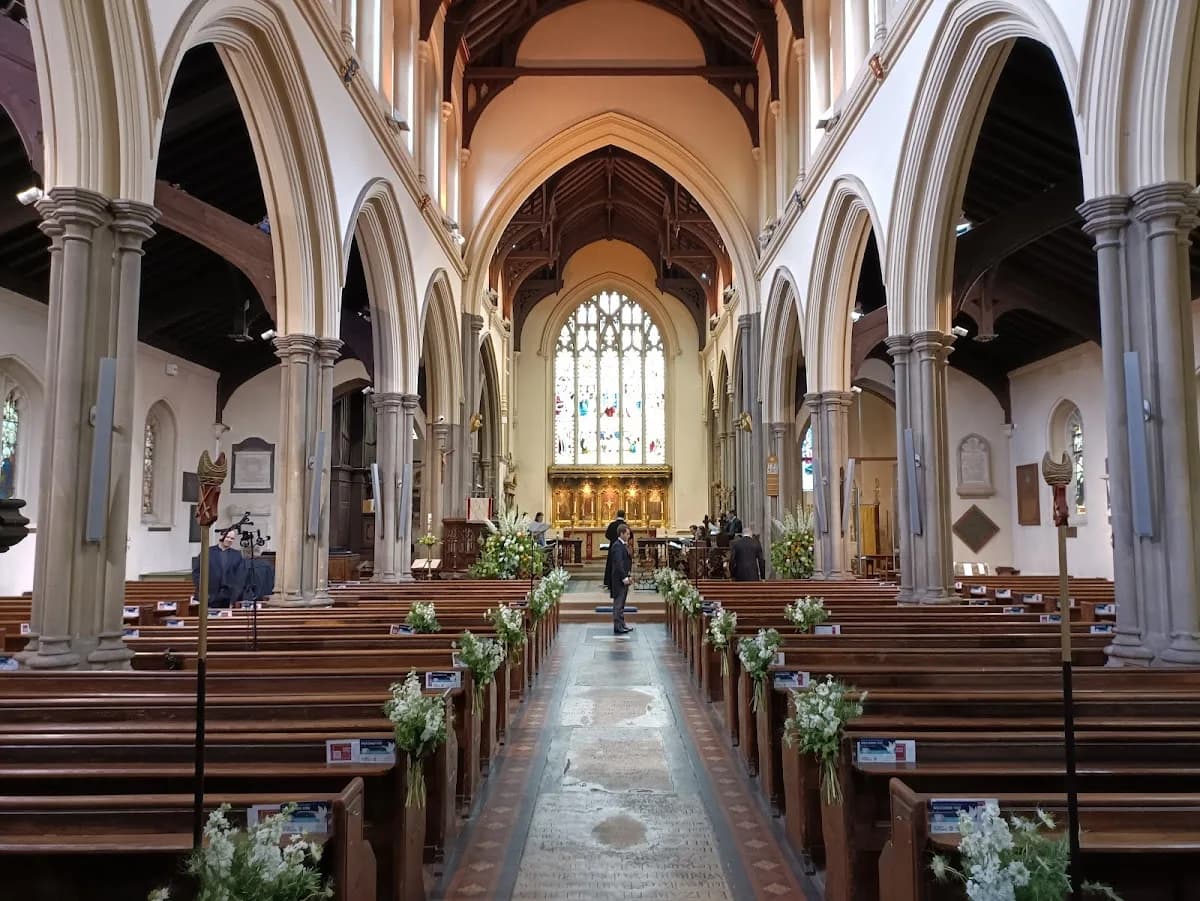
The ancient parish church of Fulham, with a church on this site for over 900 years. The 15th-century Kentish ragstone tower is the oldest surviving structure. Grade II* listed with a stunning riverside setting in Bishop's Park next to Putney Bridge. Worth visiting for the architecture and Thames views alone.
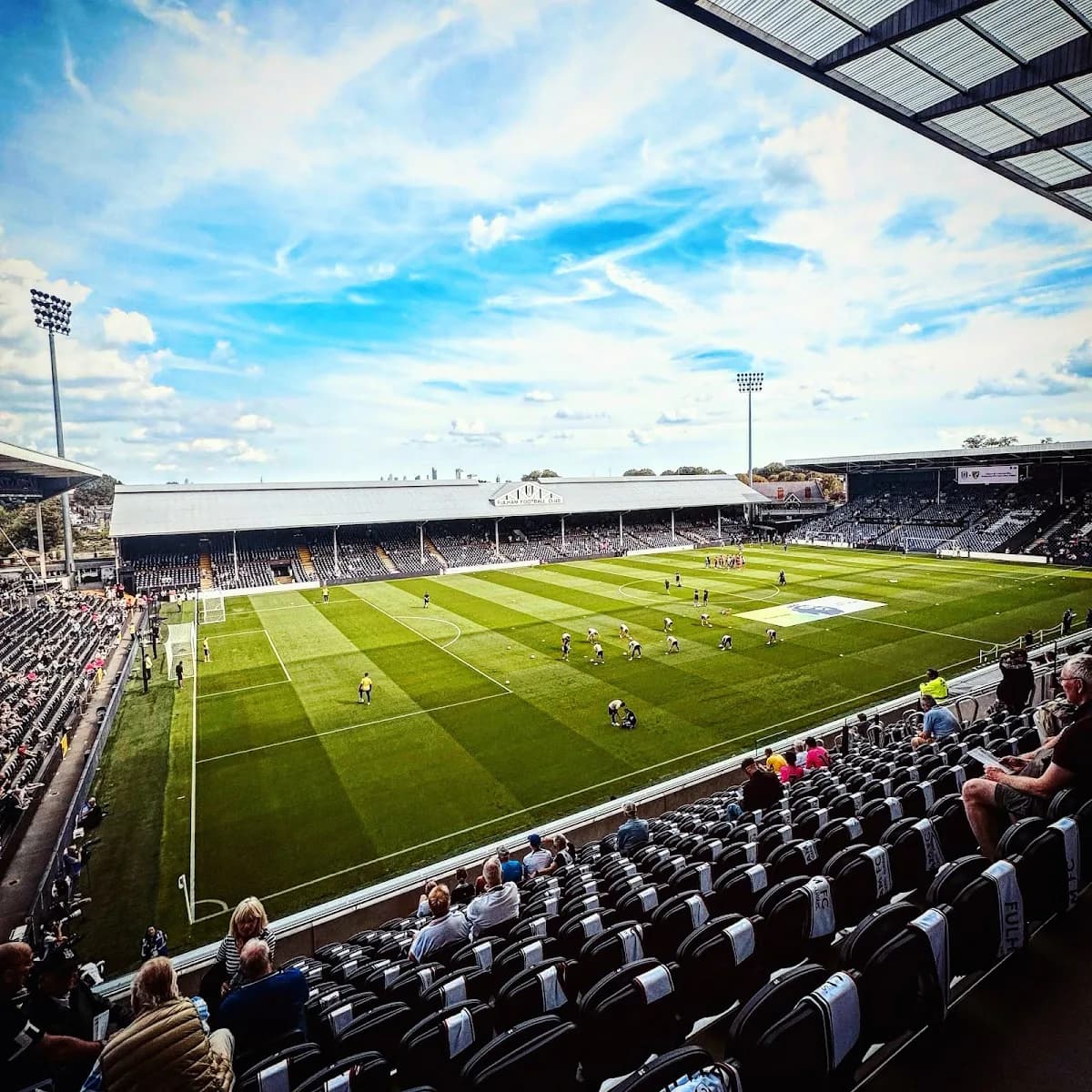
The local tip: Match day atmosphere is unreal. The Riverside Stand is stunning
Home of Fulham FC since 1896, wedged between the Thames and Bishop's Park, and arguably the most atmospheric ground in English football. The Archibald Leitch-designed Johnny Haynes Stand of 1905 — Grade II listed, original wooden seats and all — is the oldest surviving stand in the professional game, and the actual cottage still sits in the corner. At the other end of the timeline, the rebuilt Riverside Stand, completed in 2025, added a rooftop Sky Deck with views up the river.
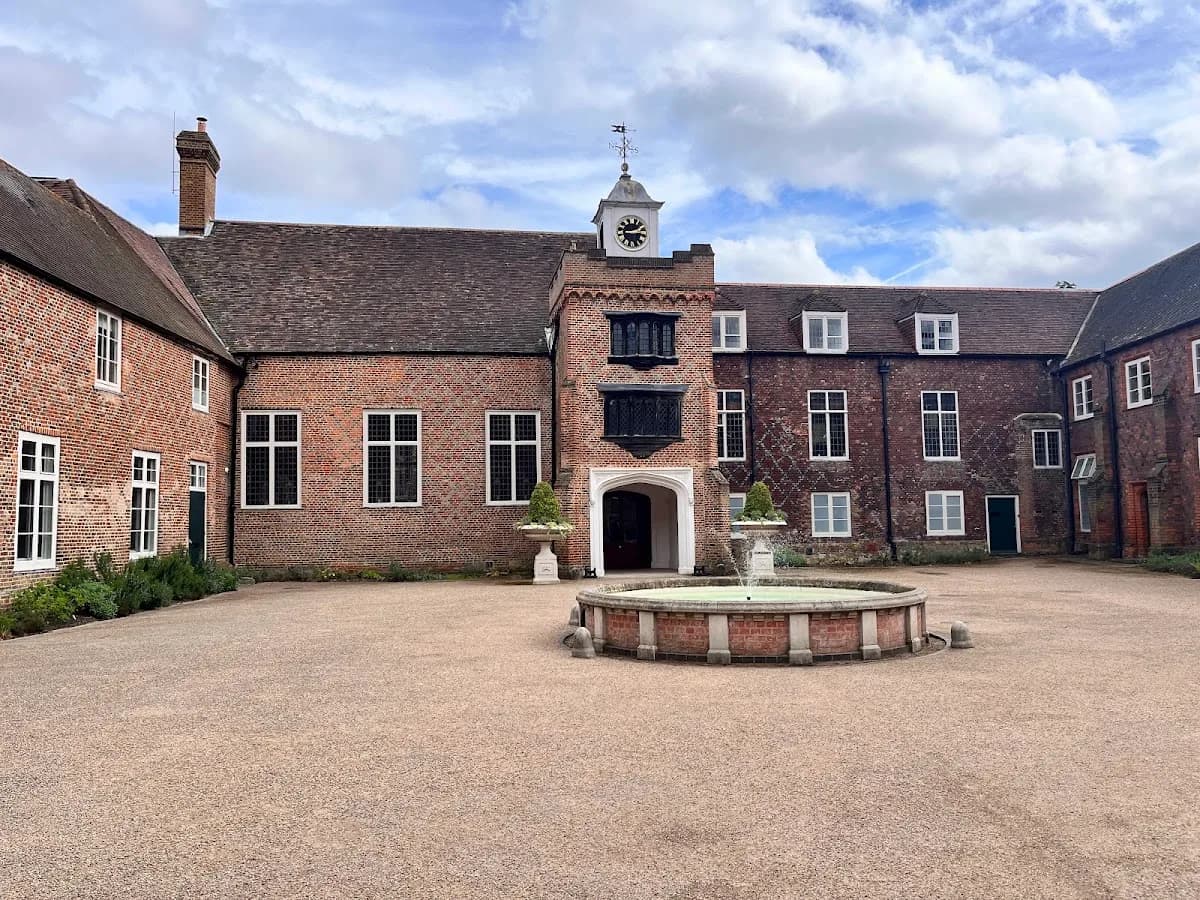
The local tip: The Tudor kitchen and botanical gardens are genuinely impressive
The Bishops of London kept their summer residence here from 704 AD, and the whole estate — museum, botanical gardens and all — is free to wander. Come in through the Tudor courtyard, find the 500-year-old holm oak on the lawn (officially one of London's Great Trees), then lose half an hour in the restored walled garden among the knot garden and bee hives. The Drawing Room Cafe does the honours afterwards.
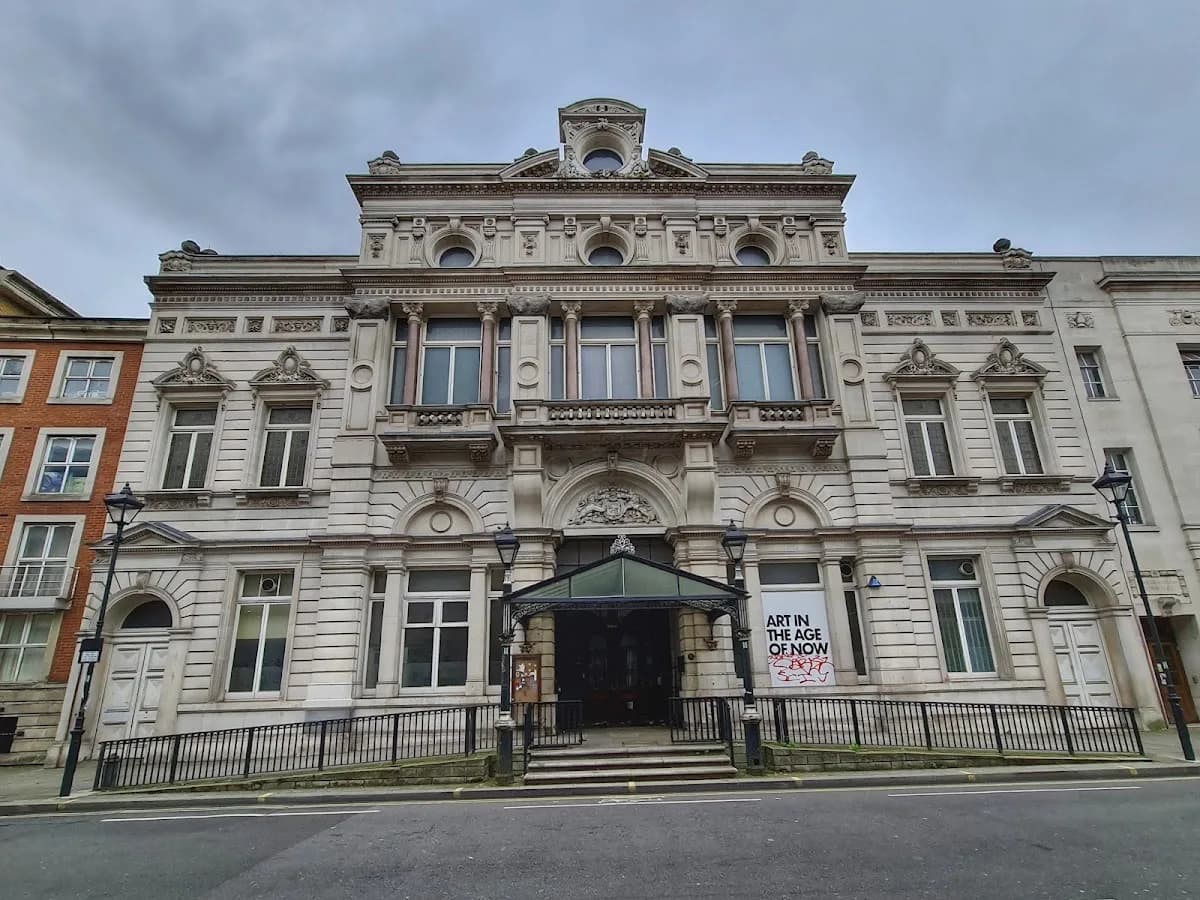
The local tip: Mid-conversion to a boutique hotel, so admire it from the pavement for now — the Fulham Road frontage alone justifies the pause.
Grade II* listed landmark built 1888-90 in classical Renaissance/Italianate style, directly opposite Fulham Broadway station. The Grand Hall was historically a major venue for concerts and dances. Currently being redeveloped into a boutique hotel and events space while preserving its magnificent original architecture.
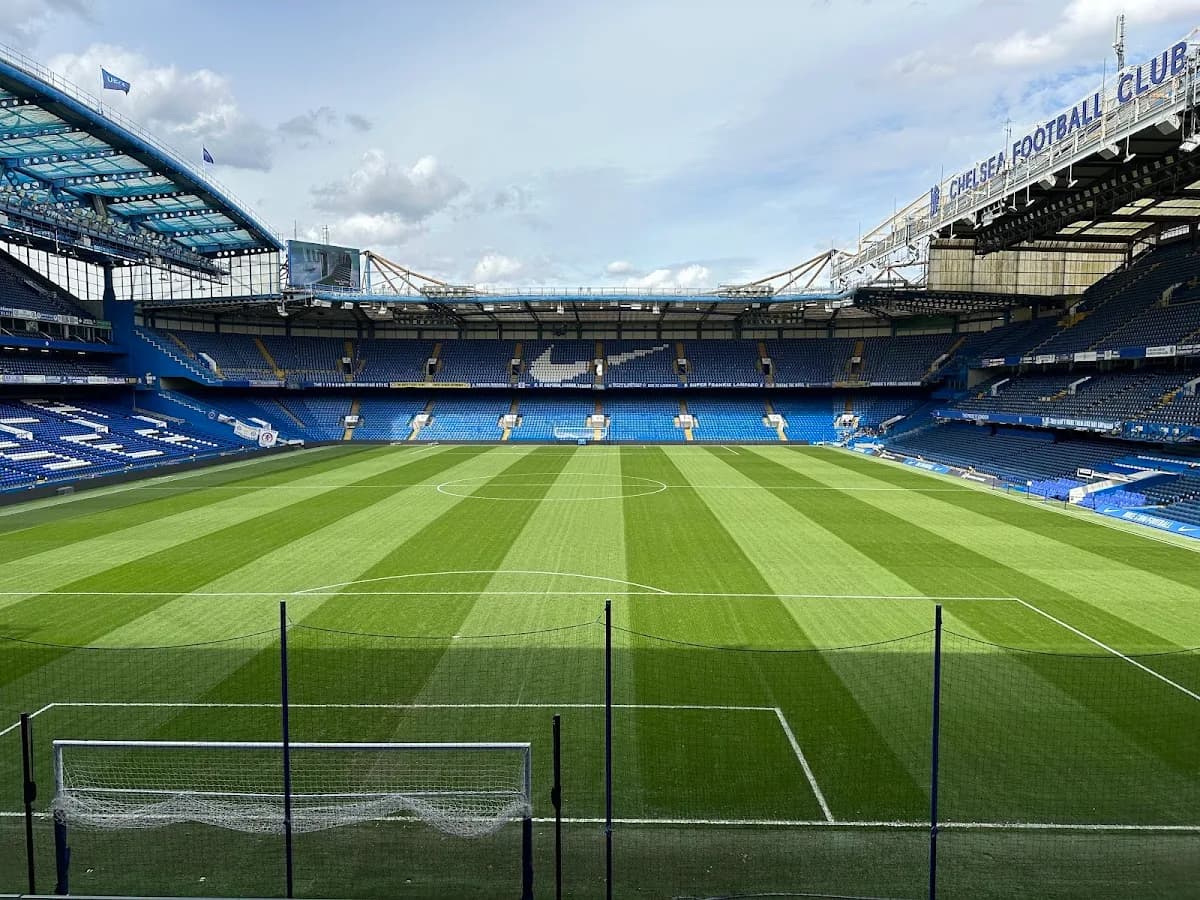
The local tip: Go on a non-match day for the museum and a proper look around — when Chelsea are at home, the whole Broadway moves at crowd pace.
Home of Chelsea FC and the landmark that anchors this end of Fulham Road. The ground actually predates the club — it opened as an athletics venue in 1877 — and Chelsea were founded across the road in 1905, in The Rising Sun pub, now The Butcher's Hook. Match days transform the whole neighbourhood; the rest of the year, the stadium museum and tours keep it open to the curious.
The local tip: Solid pub grub. The beer garden is great in summer
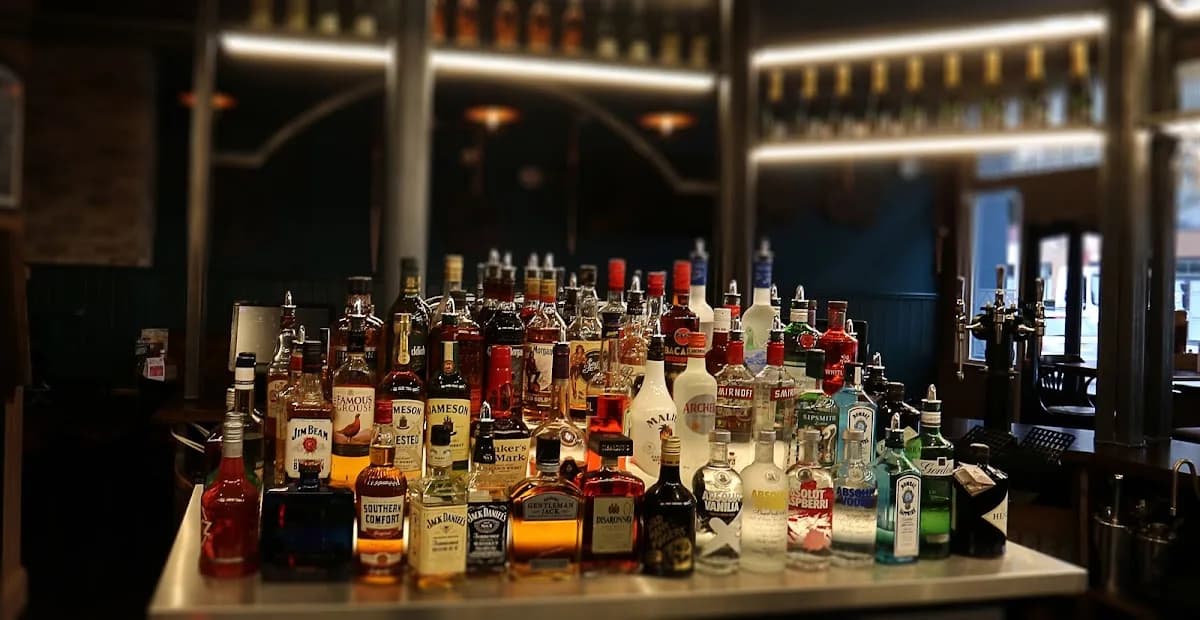
Grade II listed Young's pub facing St John's Church, five minutes from Fulham Broadway. Strong craft beer selection, solid pub grub, and sport on screens. Quiz every Thursday. Spacious, characterful building that doubles as the pre-match pub for Chelsea games.
The local tip: Riverside pub with character. Grab a pint and sit outside
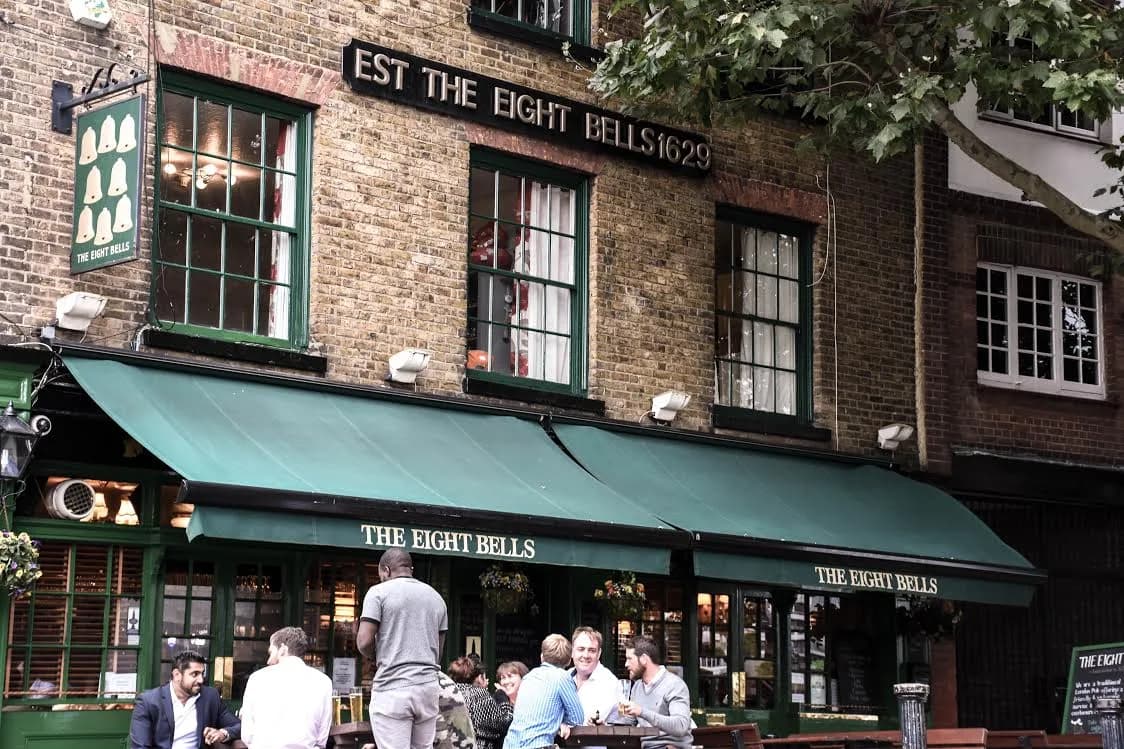
Traditional tavern near Putney Bridge, first licensed in 1629 as the Blue Anchor, with an 18th-century building CAMRA describes as Fulham's oldest surviving tavern. Family-run traditional English boozer near Putney Bridge. No pretensions, no gastropub menu, just a proper old-school local with history in the walls.
The local tip: Membership famously takes decades, so enjoy the lawns from the Thames Path — the closest most of us get to croquet whites.
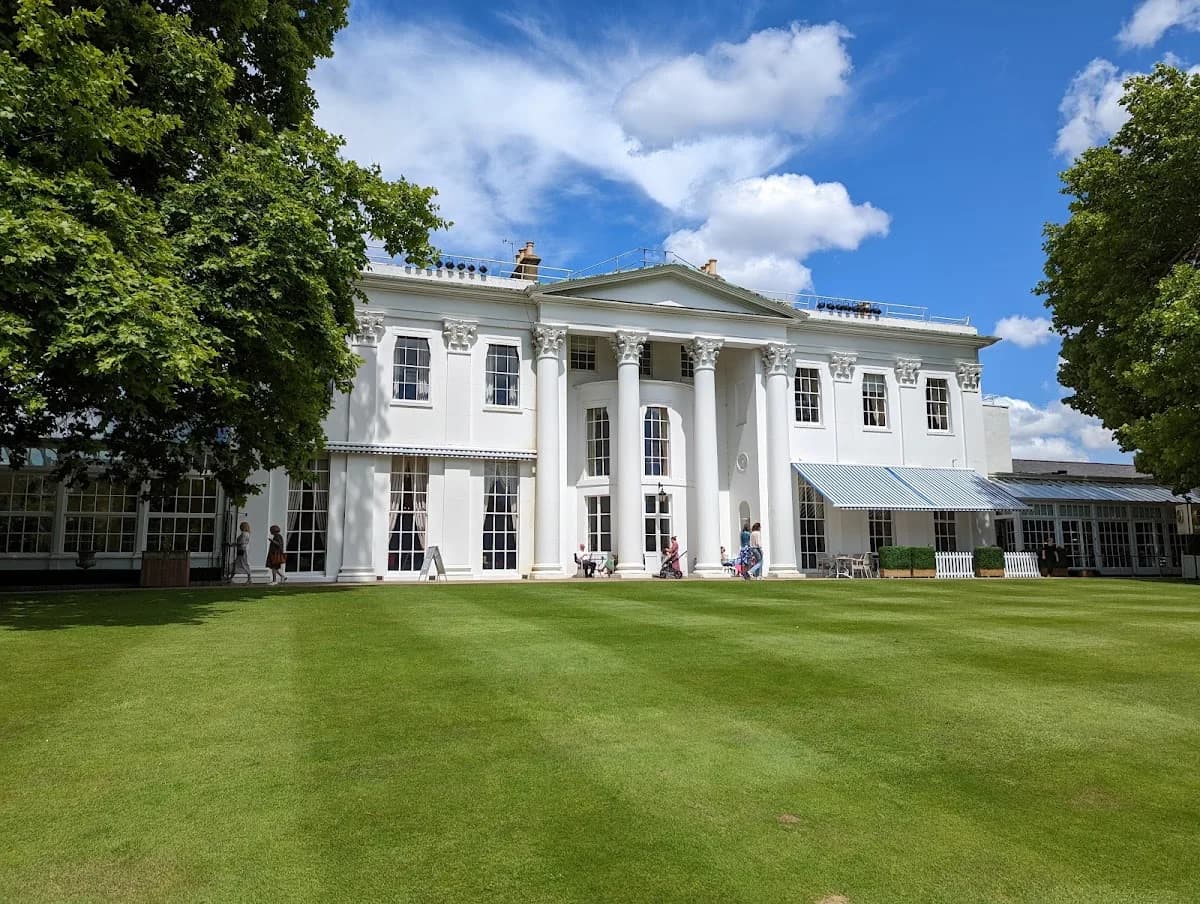
Private members' club of the properly old-school kind: 42 acres of grounds around a Georgian house beside the Thames, founded in 1869. This was the spiritual home of British polo — the sport's governing body is still the Hurlingham Polo Association — though the polo fields were lost to post-war housing and croquet has been the signature game since. Non-members get the view from the Thames Path, which costs nothing.
The local tip: Look up when you get inside — the listed billiards-hall ceiling is the show. Handy for a pint on the walk down to Craven Cottage too.
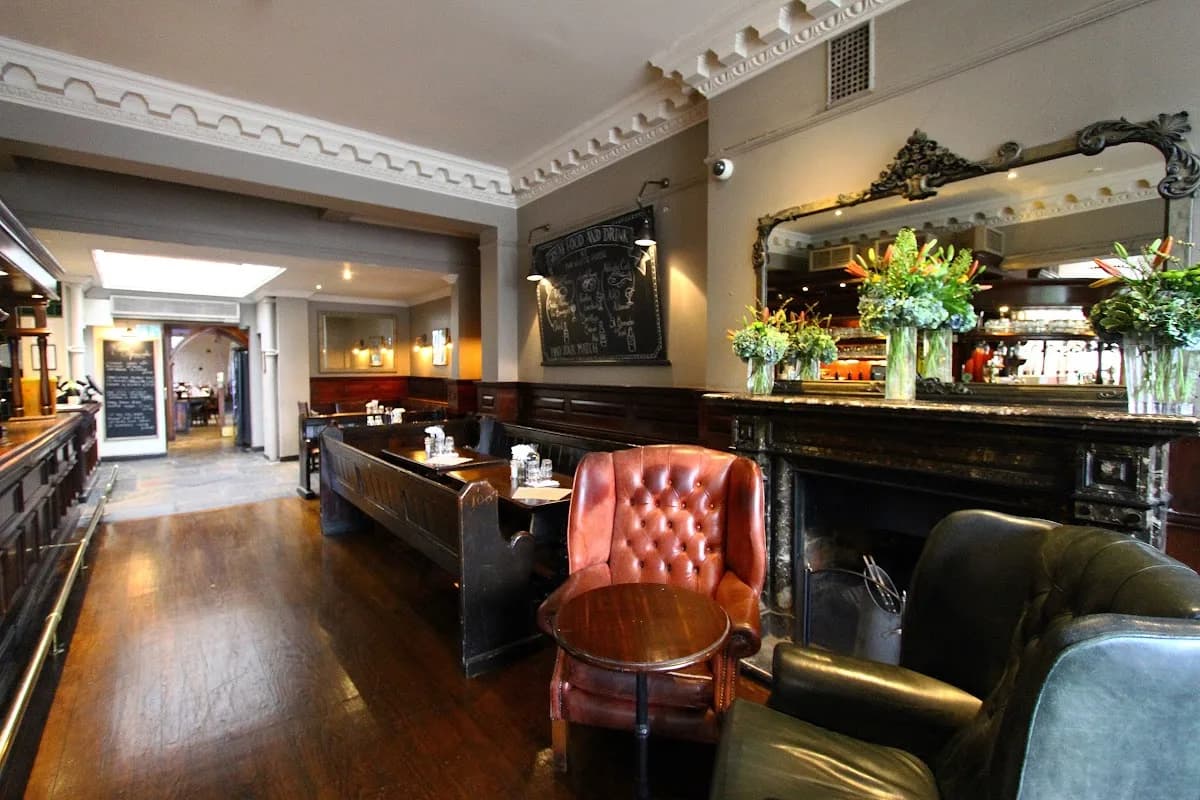
Housed in a stunning Grade II listed former billiards hall from 1909, near Putney Bridge. High ceilings, period details, and proper character. Craft beers, cocktails, and comfort food. The building alone is worth the visit, one of the most architecturally interesting pubs in SW6.
A guide tag narrows the use case, but it does not replace judgement. The place still has to work in real life: the room, the service, the food or offer, and whether I would send someone there for that exact reason.
How this guide with a bit of history is curated
12 places in Fulham currently make this guide because they hold up for this exact use. I start with places I would recommend, then use reader agree/disagree signals to catch drift. Paid placement is not part of the ranking. If new details no longer match the guide, the listing is reviewed and can come off.
Frequently asked
What's the best historic place in Fulham?
Fulham Palace Gardens, The Golden Lion, and The White Horse are the top historic picks in Fulham. The selection reflects Andrew's editorial judgment and this guide's historic place criteria.
Where can I find historic places in Fulham?
This guide covers 12 historic places in Fulham. They span 3 categories: parks, pubs, places.
Which parks in Fulham are good with a bit of history?
1 parks fit the historic brief, including Fulham Palace Gardens. Each is rated by community agreement.
Which pubs in Fulham are good with a bit of history?
5 pubs fit the historic brief, including The Cock Tavern, The Eight Bells, and The Golden Lion. Each is rated by community agreement.
Which places in Fulham are good with a bit of history?
6 places fit the historic brief, including All Saints Church, Craven Cottage, and Fulham Palace. Each is rated by community agreement.
How is this guide with a bit of history curated?
Andrew starts with places he would recommend, then anonymous agree/disagree votes can move the order around. Paid placement is not part of the ranking.